
Skip to content
info@example.com
+123 456 7890

Business Edge

Your edge in entrepreneurship, marketing, and finance

  • Home
  • Startups
  • Marketing & Growth
  • Finance & Investment
  • About Us
  • Contact Us
  • Shop
  • Cart
  • Checkout
  • My account
  • Get in Touch

Business Edge

Your edge in entrepreneurship, marketing, and finance

  • Get in Touch

Category Archives: Finance & Investment

  1. Home
  2.  / 
  3. Archive by category "Finance & Investment"
The Rise of Digital Banking
Finance & Investment
  • admin
  • 25 Aug 2025

The Rise of Digital Banking: Is Cash Becoming Obsolete?

Introduction For centuries, cash was king. But with the rise of digital banking, online wallets, and mobile payments, people are using less physical money every day. This shift raises an important question: Is cash becoming obsolete? Let’s explore how digital…

Read More

How to create a budget that actually works
Finance & Investment
  • admin
  • 25 Aug 2025

How to Create a Budget That Actually Works

Introduction Managing money can feel overwhelming, but a good budget makes it simple. Instead of restricting you, a budget helps you take control of your income and expenses. In this blog, we’ll break down the steps to create a budget…

Read More
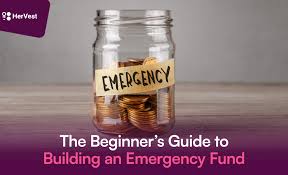
How to Build an Emergency Fund: A Beginner’s Guide Introduction An emergency fund is your safety net for unexpected expenses like medical bills, job loss, or car repairs. Without it, you may end up relying on loans or credit cards, which can increase financial stress. Let’s explore how to build one step by step. Why You Need an Emergency Fund Covers sudden expenses without debt Provides peace of mind during uncertain times Helps you stay financially stable How Much Should You Save? Financial experts suggest saving 3 to 6 months of living expenses. For example: If your monthly cost is $1,000 → Aim for $3,000–$6,000 Start small and increase gradually Steps to Build Your Emergency Fund 1. Set a Clear Goal Decide how much you want to save. Begin with a starter goal of $500–$1,000. 2. Open a Separate Account Keep your emergency fund in a savings account to avoid unnecessary spending. 3. Save Consistently Automate transfers from your paycheck Save even small amounts regularly 4. Cut Unnecessary Expenses Review your spending and reduce costs like: Dining out Streaming subscriptions Impulse purchases 5. Use Extra Income Put any bonuses, side income, or tax refunds directly into your fund. When to Use Your Emergency Fund Only use it for real emergencies, such as: Medical bills Car or home repairs Job loss Avoid using it for shopping, vacations, or non-urgent wants. Conclusion Building an emergency fund takes time, but every step counts. Start small, save consistently, and protect yourself from financial stress. A solid fund gives you confidence and security in uncertain times.
Finance & Investment
  • admin
  • 25 Aug 2025

How to Build an Emergency Fund: A Beginner’s Guide

Introduction An emergency fund is your safety net for unexpected expenses like medical bills, job loss, or car repairs. Without it, you may end up relying on loans or credit cards, which can increase financial stress. Let’s explore how to…

Read More
5 Smart Financial Goals to Set in 2025
Finance & Investment
  • admin
  • 25 Aug 2025

5 Smart Financial Goals to Set in 2025

A new year is the perfect time to take control of your money. Setting financial goals doesn’t just help you save more—it also gives you a clear direction for your future. Whether you’re building wealth or simply trying to reduce…

Read More
6 Simple Ways to Save More Money Every Month
Finance & Investment
  • admin
  • 25 Aug 2025

6 Simple Ways to Save More Money Every Month

Saving money doesn’t mean living a boring or limited life. It’s about making smart choices so you can enjoy today while preparing for the future. With a few easy changes in daily habits, you can save more without feeling restricted.…

Read More
Smart Money Habits
Smart Money Habits
Finance & Investment
  • admin
  • 25 Aug 2025

Smart Money Habits to Build Wealth in 2025

Managing money wisely is not about earning millions—it’s about building the right habits. In 2025, with rising costs and uncertain markets, creating strong financial habits is more important than ever. This blog will guide you through simple yet powerful ways…

Read More

Recent Posts

  • The Rise of Digital Banking: Is Cash Becoming Obsolete?
  • How to Create a Budget That Actually Works
  • How to Build an Emergency Fund: A Beginner’s Guide
  • 6 Essential Skills Every Startup Founder Needs
  • 7 Digital Marketing Trends to Watch in 2025

Recent Comments

No comments to show.

Archives

  • August 2025

Categories

  • Finance & Investment
  • Marketing & Growth
  • Startups

Email Us 24/7

info@example.com

Have Questions?

Contact Us

Call Us 24/7

+123 456 7890

Opening Hours

Mon-Sat: 10- 6 Pm

Business Edge

    Copyright © 2026. Created by Themes Daddy. Powered by WordPress.

    Powered by
    ...
    ►
    Necessary cookies enable essential site features like secure log-ins and consent preference adjustments. They do not store personal data.
    None
    ►
    Functional cookies support features like content sharing on social media, collecting feedback, and enabling third-party tools.
    None
    ►
    Analytical cookies track visitor interactions, providing insights on metrics like visitor count, bounce rate, and traffic sources.
    None
    ►
    Advertisement cookies deliver personalized ads based on your previous visits and analyze the effectiveness of ad campaigns.
    None
    ►
    Unclassified cookies are cookies that we are in the process of classifying, together with the providers of individual cookies.
    None
    Powered by