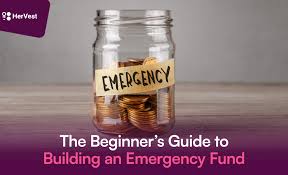
How to Build an Emergency Fund: A Beginner’s Guide
Introduction
An emergency fund is your safety net for unexpected expenses like medical bills, job loss, or car repairs. Without it, you may end up relying on loans or credit cards, which can increase financial stress. Let’s explore how to build one step by step.
Why You Need an Emergency Fund
- Covers sudden expenses without debt
- Provides peace of mind during uncertain times
- Helps you stay financially stable
How Much Should You Save?
Financial experts suggest saving 3 to 6 months of living expenses. For example:
- If your monthly cost is $1,000 → Aim for $3,000–$6,000
- Start small and increase gradually
Steps to Build Your Emergency Fund
1. Set a Clear Goal
Decide how much you want to save. Begin with a starter goal of $500–$1,000.
2. Open a Separate Account
Keep your emergency fund in a savings account to avoid unnecessary spending.
3. Save Consistently
- Automate transfers from your paycheck
- Save even small amounts regularly
4. Cut Unnecessary Expenses
Review your spending and reduce costs like:
- Dining out
- Streaming subscriptions
- Impulse purchases
5. Use Extra Income
Put any bonuses, side income, or tax refunds directly into your fund.
When to Use Your Emergency Fund
Only use it for real emergencies, such as:
- Medical bills
- Car or home repairs
- Job loss
Avoid using it for shopping, vacations, or non-urgent wants.
Conclusion
Building an emergency fund takes time, but every step counts. Start small, save consistently, and protect yourself from financial stress. A solid fund gives you confidence and security in uncertain times.
